Designing a home that’s both functional and visually stunning can be a rewarding journey. Here’s a step-by-step guide to help you craft interiors that resonate with your lifestyle and aesthetic preferences:
1. Define Your Style
- Identify Your Aesthetic: Modern, traditional, minimalist, bohemian, or eclectic—choose a style that reflects your personality.
- Inspiration: Browse online platforms, magazines, or visit showrooms to gather ideas.
- Mood Board: Create a visual board with your favoritecolors, textures, and designs.
2. Prioritize Functionality
- Lifestyle Needs: Consider how you use each room—entertainment, relaxation, or work.
- Efficient Layouts: Ensure furniture placement allows free movement and maximizes space.
- Storage Solutions: Use hidden storage, modular furniture, and shelving to reduce clutter.
3. Choose a Cohesive Color Palette
- Neutral Base: Start with whites, beiges, or grays for walls and large furniture.
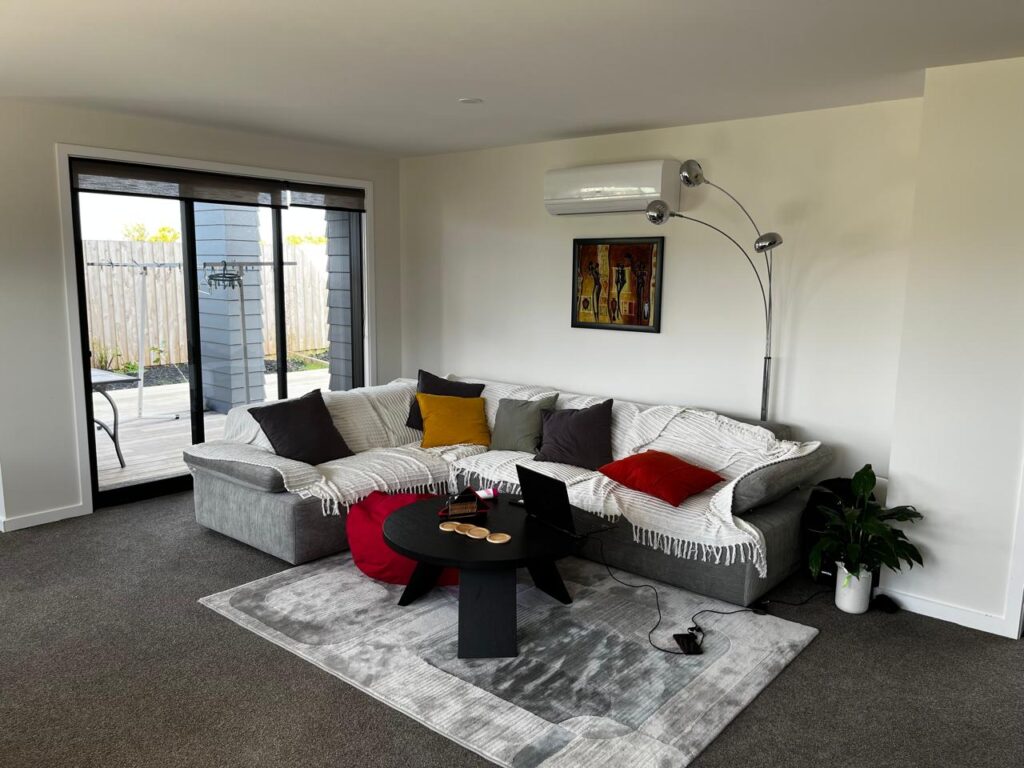
- Accent Colors: Add pops of color through cushions, artwork, and accessories.
- Harmony: Ensure colors flow seamlessly between rooms for a unified look.
4. Focus on Lighting
- Natural Light: Maximize daylight with large windows, mirrors, and sheer curtains.
- Layered Lighting: Combine ambient, task, and accent lighting for versatility.
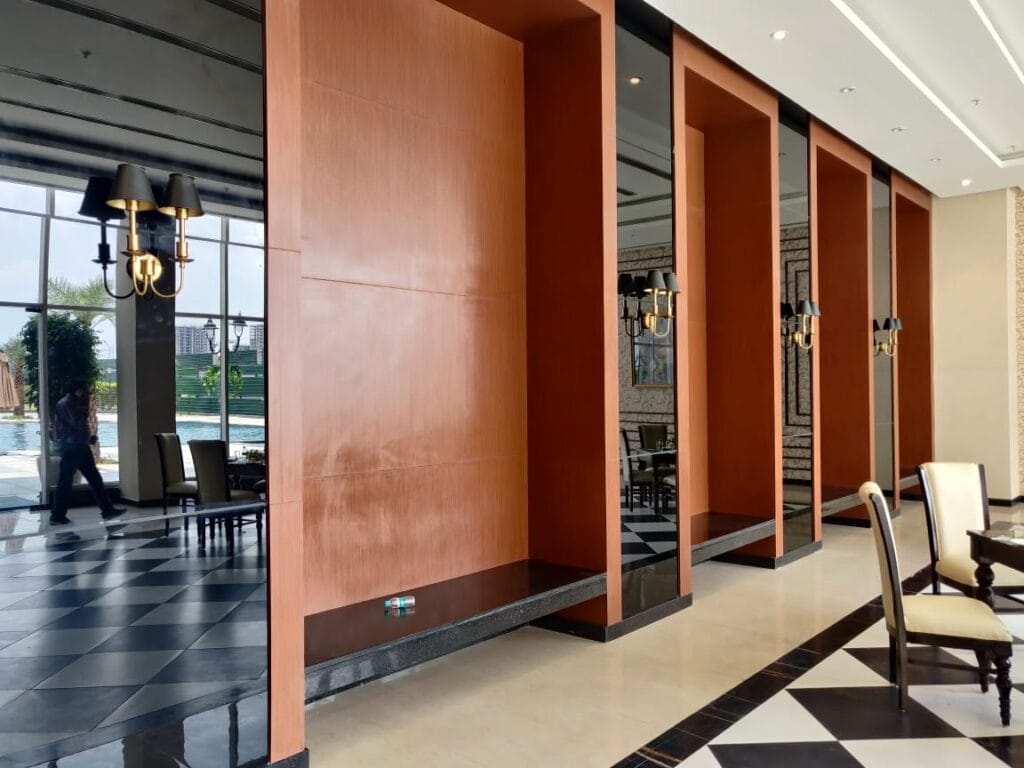
- Statement Pieces: Use chandeliers, pendant lights, or floor lamps as design focal points.
5. Incorporate Textures and Materials
- Layer Textures: Mix soft fabrics (like rugs and cushions) with hard materials (like wood and metal).
- Natural Elements: Add warmth with wooden furniture, stone accents, or woven decor.
- Contrast: Pair matte finishes with glossy surfaces for visual interest.
6. Personalize Your Space
- Art and Decor: Display meaningful artwork, family photos, or handcrafted items.
- Custom Furniture: Opt for pieces tailored to your needs and taste.
- Greenery: Bring life with indoor plants, fresh flowers, or a small herb garden.
7. Invest in Quality Furniture
- Durability: Choose sturdy furniture that stands the test of time.
- Comfort: Prioritize ergonomics, especially for seating and bedding.
- Scale: Select pieces that suit the proportions of your space.
8. Focus on Each Room’s Purpose
- Living Room: Create a welcoming space with comfortable seating, layered lighting, and a focal point like a fireplace or TV.
- Bedroom: Use soothing colors, plush bedding, and blackout curtains for restful sleep.
- Kitchen: Prioritize functionality with ample storage, durable countertops, and task lighting.
- Bathroom: Opt for sleek fixtures, mood lighting, and storage-friendly vanities.
- Outdoor Spaces: Add cozy furniture, fairy lights, or a firepit for an inviting vibe.
9. Balance Open and Cozy Spaces
- Open Layouts: Use rugs, partitions, or furniture placement to define areas in open-concept homes.
- Cozy Corners: Design nooks for reading, relaxing, or hobbies.
- Flow: Maintain a balance between open spaces and intimate settings.
10. Stay Flexible
- Trends vs. Timelessness: Opt for timeless design elements and layer in trends through accessories.
- Easy Updates: Use decor like cushions, curtains, and rugs for quick refreshes.
- Adaptability: Design spaces that can evolve with your changing needs.
Pro Tip
Your home should feel like a reflection of you. Take time to explore, experiment, and enjoy the process of making it truly yours.
Remember: The best interiors aren’t just beautiful—they make you feel at home.